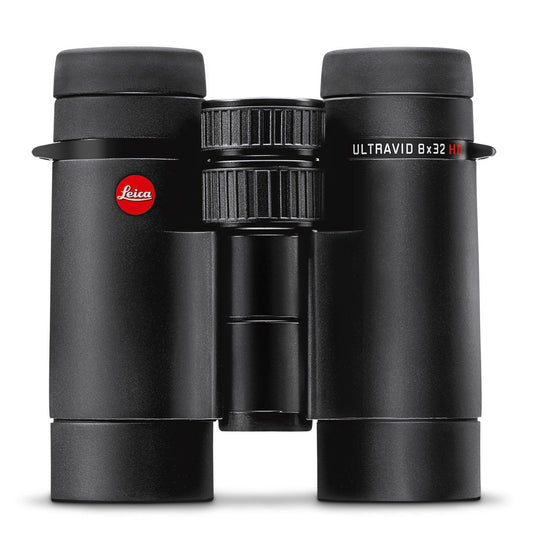
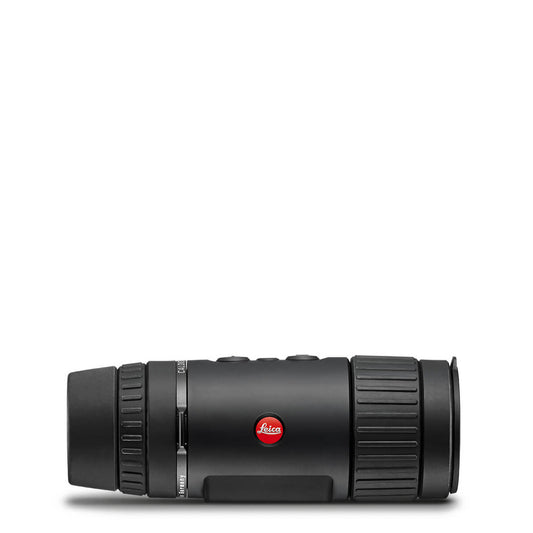
Leica binoculars remain a leading choice for serious outdoor enthusiasts because they combine long-standing optical expertise with practical field performance. This post looks at how Leica’s binocular history developed, why the brand became so closely associated with premium optics, and how that heritage still shapes the range today. If you want to browse the current offer, the Leica optics collection and binoculars collection are the most relevant places to start.
How Leica’s optics story began
In 1849, Carl Kellner founded an Optics Institute in Wetzlar, Germany. In 1869, Ernst Leitz became managing director and helped shape the company’s future. Leica later became famous through its cameras, but the wider story has always been rooted in optics, precision and engineering rather than photography alone.

In May 1907, Leica released its first 6x18 prism binoculars. At that point binoculars were widely associated with military use, theatre-going and travel, but they were not yet especially refined for serious field use such as hunting or nature observation. Leica helped change that by developing optical products better suited to outdoor conditions and more demanding users.
Why Leica binoculars became important outdoors
Leica’s development of binoculars for country sports and nature use was helped by Ernst Leitz’s own interest in hunting and the outdoors. That practical link mattered. Rather than treating binoculars only as precision instruments, Leica also understood how they needed to perform in real landscapes and changing conditions.

That is part of why Leica still carries so much weight in the optics world. The brand’s reputation was built not just on clarity and precision, but on making products that felt dependable for field use over time.
What still sets Leica apart
More than a century on, Leica continues to be associated with sharp imaging, robust construction and a more premium feel than many mainstream optics brands. For serious outdoor users, that usually means confidence in changing light, comfort over longer periods of use and equipment that feels built for repeated fieldwork rather than occasional use.
That combination of heritage and performance is a large part of the appeal. Whether the use is birdwatching, stalking, travel or wider outdoor observation, Leica binoculars continue to sit at the higher end of the market because they are built around viewing quality first.
Leica Geovid 10 x 42 HD-B Rangefinder Binoculars
One of the clearest examples of Leica’s more advanced field optics is the Geovid 10 x 42 HD-B Rangefinder Binocular. It combines high-quality binocular viewing with built-in ranging capability, making it relevant for users who want both observation and distance measurement in one instrument.

Specifications at a glance
- Magnification x10
- Objective lens diameter 42mm
- Field of view at 1000m/1000yds, 114m/374ft
- Close focus limit approx. 5m
- Dimensions 17.4 x 12.5 x 7cm
- Weight 945g
For readers comparing current options, shop the full Leica optics range or browse the wider binoculars collection at The Sporting Lodge.